
Capacity Building for Temperate Rainforest Biodiversity Conservation in Chile
- Jerry Laker
- 15 may 2019
- 3 min de lectura
Following research and training opportunities supported by a Darwin project in 2006-2009, a group of Chilean scientists are teaching new generations of biodiversity conservation professionals in the southern temperate rainforest.
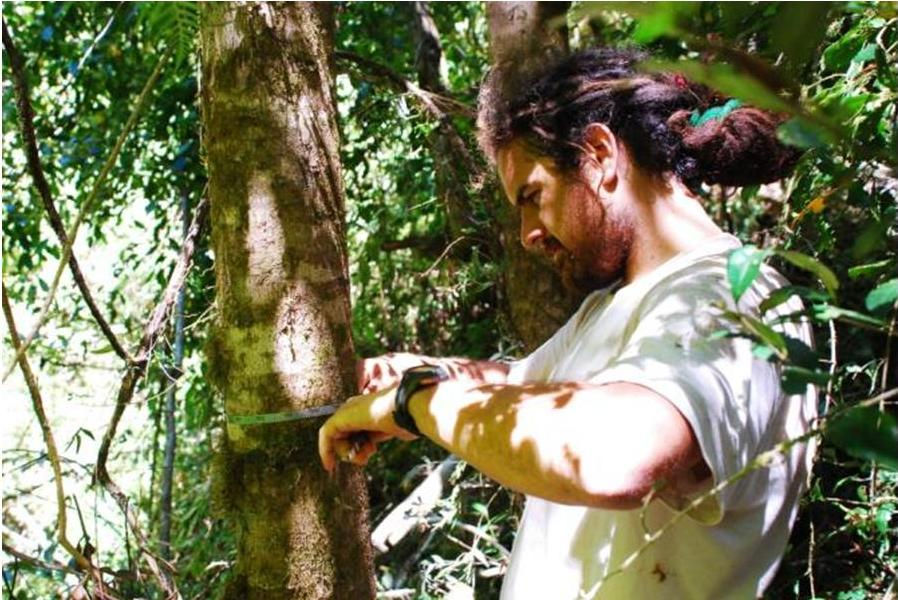
DI project 15_006 set out to establish local biodiversity research with practical forest conservation activities that would improve knowledge and local capacity to protect Chilean native forests and the unique wildlife they contain.
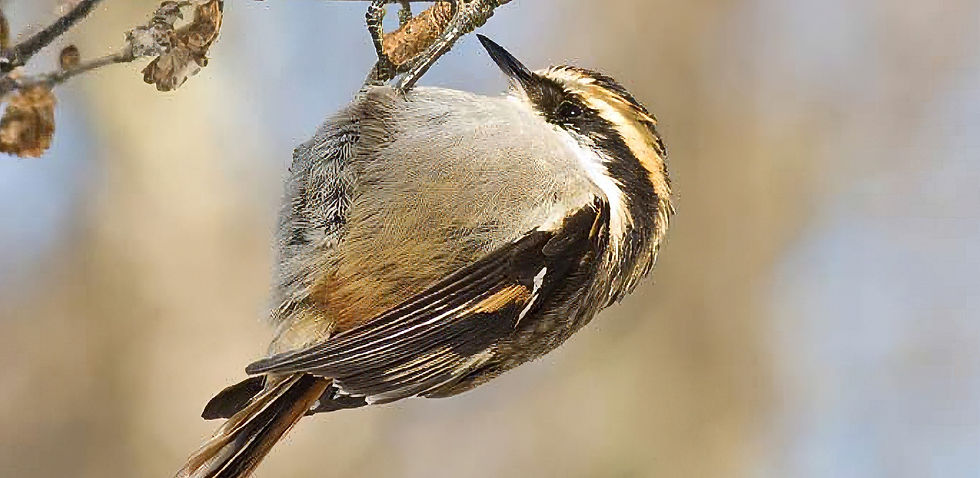
In those early days, we pioneered the use of camera traps in Chile, revealing for the first time the habits of kodkod cats, pumas, pudu, as well as the activities of livestock and introduced species. Young researcher, Nicolas Gálvez, our DI project administrator, persevered with analogue cameras until thankfully relieved by the advance of digital technology in what was to become the longest running wildlife monitoring programme in Chile. Now Dr Galvez (PhD University of Kent), Nico is teamed up now with Dr Tomas Ibarra (PhD UBC, Canada) and Dr Tomas Altamirano (PhD, Catholic University, Chile), who began long-term monitoring of cavity nesting forest birds and raptors on the DI project.
Over the years, the team has developed an in-depth knowledge of the temperate rainforest in the Araucanía region, including its unique forests of monkey-puzzle trees (Araucaria araucana). The main strands of this research have been the ecology of large carnivores, and approaches to managing their coexistence with the local community; the ecological relationships between birds and the forests they inhabit, in particular, cavity nesting species and raptors in old-growth forests; and assessment of the impacts of land use change on biodiversity in the region. A list of publications can be found here. A transversal theme running through all the work is the social context for biodiversity, to include how drivers of land use change, such as development and climate change are shaping the future outlook for endemic wildlife.
Twenty years on, the team that was brought together by the Darwin Initiative is based in a new department of the Catholic University, the Centre for Local Development, which is about to move to new purpose-built facilities on the shores of Lake Villarrica. The team has an international vision, and in addition to research, is host for a successful study abroad program in socio-ecological sustainability for undergraduates from University of California.
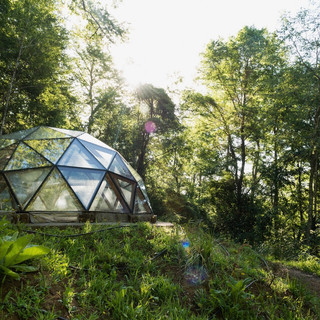
The original site of the field centre remains the local base camp for field studies conducted by Fauna Australis. The field station, with its restaurant and new accommodation lodge, is open to the public, and hosts residential meetings and educational experiences. Known as “Kodkod meeting place”, after Leopardus guigna, the object of many hours of fieldwork by researchers, the centre has been instrumental in introducing concepts of certified sustainable tourism in Chile. Over time, we have been developing improved teaching and accommodation facilities to be able to offer education and training in forest ecology to groups from Chile and overseas.
The original aims of the DI project, led from Scotland by Alison Hester and Jerry Laker at the then Macaulay Institute, Aberdeen, and David Macdonald of WildCRU, Oxford University, took far longer to establish than the original project timeframe. However, the legacy has been far-reaching, and long-lasting. Host country coordinator, Cristián Bonacic, himself a WildCRU alumnus, prioritized actions, such as establishing mammal and bird monitoring that would go on to become long term databases of information, and support the career development of many enthusiastic young researchers from Chile and the UK. The group has been successful in keeping the work going, through individual small grants, which eventually coalesce into valuable advances in knowledge. With hindsight, it is now clear that the project was an essential catalyst for projects and investment from a wide range of sources that continues to build on the experience and skills that we established in the area. Such investment has created the Interdisciplinary Complex for Sustainability in Villarrica, and the new Kodkod Lodge, both of which are due to open their doors before the end of 2019.
Fauna Australis Araucania is well-established now as an authority in temperate rainforest ecology in Chile. Twelve years on, many people have passed through, as students, researchers or volunteers. New faces have joined the team, and others have left to develop their careers elsewhere, but the opportunity created by DI was a significant catalyst without which none of this would have happened.


Comentarios